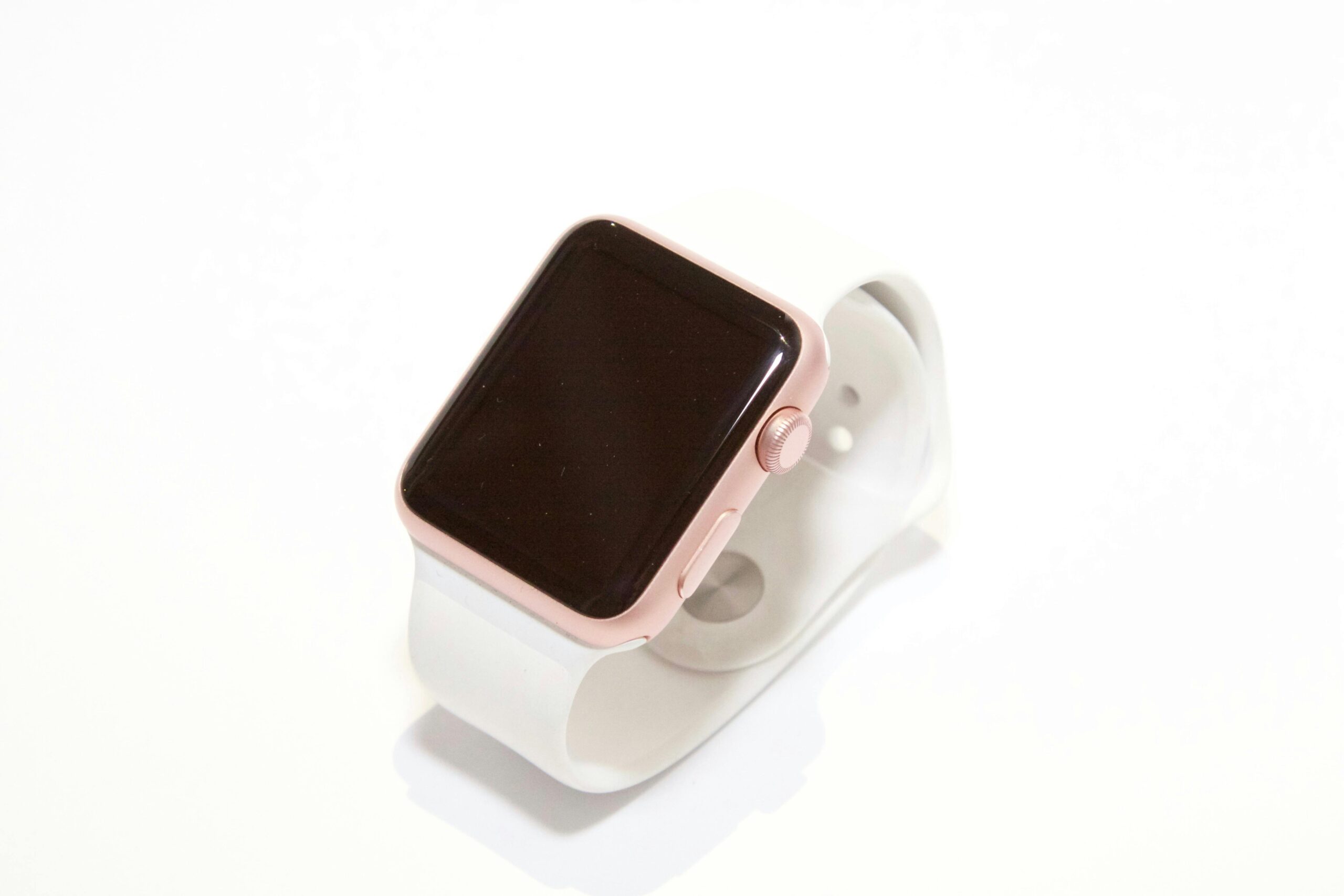
In today’s digital age, it’s hard to go a day without seeing someone sporting a smart watch. With advanced features like health monitoring, notifications, and even fitness tracking, these devices have quickly become a staple for many. But the question remains: Is a smart watch a necessity or just a luxury item?
In this blog, we’ll explore the pros and cons of owning a smart watch, its essential features, and whether it’s worth the investment or simply a trend.
What Is a Smart Watch?
A smart watch is a wearable device that functions not only as a traditional timepiece but also integrates with your smartphone to offer additional features like tracking your fitness, sending notifications, controlling music, making calls, and even monitoring health metrics. It’s essentially a mini-computer for your wrist, designed to make your life more convenient and efficient.
Why Some People Consider a Smart Watch a Necessity
For many, a smart watch is no longer a luxury but a must-have tool for managing their day-to-day lives. Here are some reasons why:
1. Health and Fitness Tracking
One of the primary reasons people opt for a smart watch is for its health-related features. Most smart watches come equipped with heart rate monitors, step counters, sleep tracking, and even ECG readings. Some models, like the Apple Watch or Fitbit, also offer advanced tracking for blood oxygen levels and stress management.
If you are someone who takes their fitness seriously or has health concerns that require regular monitoring, a smart watch can be a life-changing accessory.
2. Convenience and Productivity
Smart watches offer instant access to calls, texts, emails, and app notifications, all without needing to pull out your phone. This can improve productivity, especially in professional settings where being constantly connected is important. Quick access to notifications means you can stay in touch with clients, colleagues, or family without interrupting your workflow.
3. Customization and Integration
Smart watches integrate seamlessly with smartphones, allowing you to manage apps, listen to music, and access a variety of other features. Many models allow extensive customization options, from choosing watch faces to downloading specific apps that enhance productivity or provide entertainment.
4. Safety Features
Some smart watches are equipped with safety features like fall detection and emergency SOS. These features can be particularly valuable for elderly individuals or those with health conditions, as they provide an added layer of security in case of an emergency.
Why Others See It as a Luxury
While a smart watch can provide a lot of functionality, it’s important to note that not everyone needs or benefits from the full range of features. Here are some reasons why others might view a smart watch as a luxury rather than a necessity:
1. High Price Tag
Smart watches, particularly premium models like the Apple Watch or Samsung Galaxy Watch, can come with hefty price tags. These devices often cost several hundred dollars, which might seem excessive if the primary purpose is simply to tell time.
2. Not a Must-Have for Everyone
For many, a traditional wristwatch or even a basic fitness tracker is more than enough. If you don’t need constant notifications or advanced health monitoring, you might find a smart watch unnecessary. Some people may even prefer to disconnect from the constant influx of digital information that comes with a smart watch.
3. Battery Life Concerns
Battery life is a common complaint among smart watch users. While some smart watches offer up to 48 hours of use, many require daily charging—something that can be inconvenient for some. Traditional watches, on the other hand, can last years without needing a recharge.
4. Overkill for Casual Users
If you’re not tech-savvy or don’t have a specific need for the advanced features of a smart watch, it may simply be an expensive accessory that doesn’t justify its cost. For many, a regular watch or smartphone is sufficient to meet their needs.
Smart Watch Features: Necessity or Overkill?
To decide whether a smart watch is a necessity or a luxury for you, it helps to understand the key features that define it. Here’s a breakdown of some of the most common features and whether they might sway your decision.
1. Fitness Tracking and Health Monitoring
- Necessity for: Fitness enthusiasts, people with medical conditions (e.g., heart issues), or anyone looking to track their daily activity levels.
- Luxury for: Casual users who are just looking for a way to tell time.
2. Notifications and Call Management
- Necessity for: Busy professionals, people who frequently work on the go, or anyone who prefers not to pull out their phone constantly.
- Luxury for: Those who don’t mind checking their phone for messages and notifications.
3. GPS and Navigation
- Necessity for: Travelers, runners, cyclists, or people who need real-time navigation while on the move.
- Luxury for: Those who don’t need constant directions or already use their phone for GPS.
4. Mobile Payments (Apple Pay, Google Pay)
- Necessity for: People who prefer contactless payments and want the convenience of paying without reaching for their wallet or phone.
- Luxury for: Users who are comfortable with traditional payment methods like cash or card.
5. Battery Life
- Necessity for: Anyone who needs their device to last for a full day of use without frequent charging.
- Luxury for: Those who don’t mind charging their device daily.
Is a Smart Watch Worth It?
At the end of the day, the answer to whether a smart watch is a necessity or a luxury depends on your individual needs and lifestyle.
If you’re someone who thrives on organization, fitness tracking, and staying connected on the go, a smart watch could be an incredibly valuable tool that helps you stay efficient and healthy. For many people, it’s much more than a timepiece—it’s a complete personal assistant right on your wrist.
However, if you don’t find the need for constant connectivity or advanced health tracking, or if you’re simply not a fan of wearing gadgets, then a smart watch might be more of a luxury than a necessity. You may find that a traditional watch or basic fitness tracker is sufficient.
Ultimately, while smart watches offer a wide range of features, they are not essential for everyone. Carefully assess your lifestyle, needs, and budget before making a decision.
Conclusion
Is a smart watch a necessity or a luxury? The answer varies depending on who you ask. For some, it’s an indispensable tool that makes life more convenient, while for others, it’s an expensive accessory with more features than they really need.
If you’re still unsure, consider testing out a basic model or a fitness-focused smart watch. It could give you a feel for the device and help you decide whether upgrading to a more advanced version is worth the investment.
At the end of the day, it’s about what works best for you—whether it’s an ultra-functional smart watch or a simple, elegant traditional timepiece.