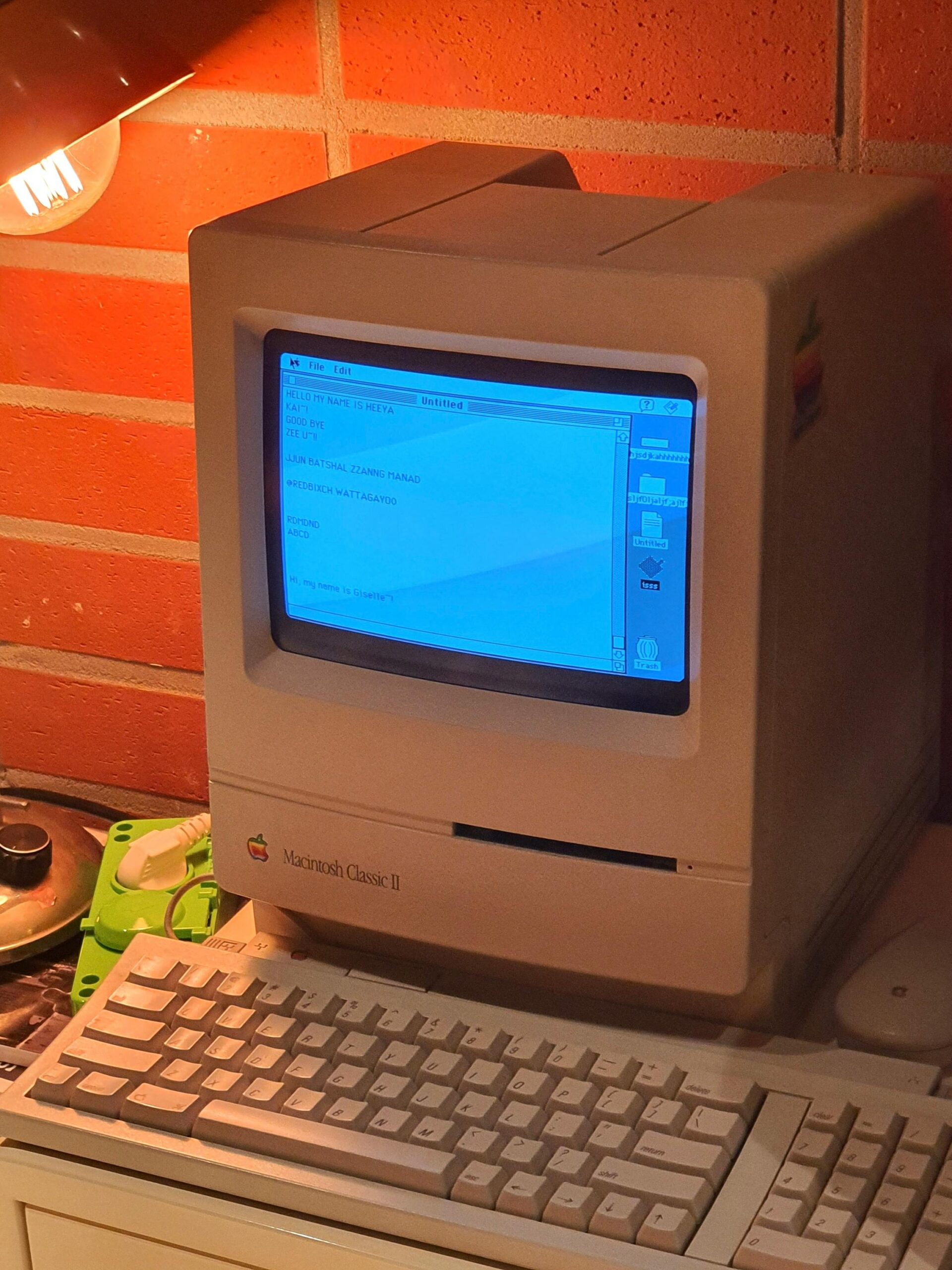
The evolution of computers can be traced back to the mid-20th century, marking a significant transformation in technology and society. Here’s an overview of key milestones in this evolution:
- Early Mechanical Computers (18th – 19th Century):
- Charles Babbage is often referred to as the “father of the computer” for his design of the Analytical Engine in the 1830s. Although it was never completed, it introduced fundamental concepts such as the central processing unit (CPU) and memory.
- Ada Lovelace, recognized as the first computer programmer, wrote algorithms for Babbage’s machine.
- First Generation (1940s – 1950s):
- The first electronic computers, such as the ENIAC (Electronic Numerical Integrator and Computer), built in 1945, used vacuum tubes and were massive machines.
- UNIVAC, developed in the early 1950s, was the first commercially available computer and gained attention for predicting the outcome of the 1952 presidential election.
- Second Generation (1956 – 1963):
- Transitioning from vacuum tubes to transistors, computers became smaller, more reliable, and more energy-efficient.
- Programming languages like FORTRAN and COBOL were developed during this period, increasing accessibility for programmers.
- Third Generation (1964 – 1971):
- The introduction of integrated circuits (ICs) allowed for even smaller and faster computers.
- Operating systems became more common, enabling multitasking and a user-friendly interface.
- Fourth Generation (1971 – Present):
- The development of microprocessors, where thousands of integrated circuits were placed on a single chip, led to the personal computer revolution.
- The 1970s and 1980s saw the emergence of personal computers like the Apple II and IBM PC, making computing accessible to the general public.
- Fifth Generation and Beyond (Present – Future):
- Today, computers are being shaped by advancements in artificial intelligence, quantum computing, and cloud technology.
- Next-generation computing focuses on improving speed and efficiency, integrating AI for enhanced functionalities, and processing vast amounts of data in real-time through technologies like neural networks.
- Impact on Society:
- The evolution of computers has revolutionized various fields such as education, healthcare, finance, and communication. Technology has become an integral part of daily life, reshaping how we work, socialize, and access information.
In summary, the journey of computers from mechanical devices to the sophisticated machines we use today underscores an ongoing commitment to innovation and an ever-expanding role in society.
In this blog, you explore the birth and evolution of computers. Additionally, another blog offers an in-depth look at the History and development of computers, from their inception to modern technology.