

As the temperatures rise and summer approaches, it’s time to think about how to keep your home cool and comfortable. An air conditioner (AC) is a valuable investment, especially if you live in a region with scorching summer heat. However, with so many types and models available, how do you choose the right AC unit for your needs? In this ultimate air conditioner buying guide, we’ll walk you through everything you need to know to make an informed purchase.
Understanding Different Types of Air Conditioners
Before diving into buying considerations, it’s important to understand the various types of air conditioning systems on the market:
- Central Air Conditioners: Best for larger homes, these systems use ducts to distribute cool air throughout the house. While they offer uniform cooling, they can be expensive to install.
- Window Air Conditioners: Ideal for small spaces or single rooms, window AC units are compact, easy to install, and budget-friendly. They’re perfect for cooling individual rooms.
- Portable Air Conditioners: These flexible units are easy to move from room to room and don’t require permanent installation, making them an excellent option for renters or those in need of temporary solutions.
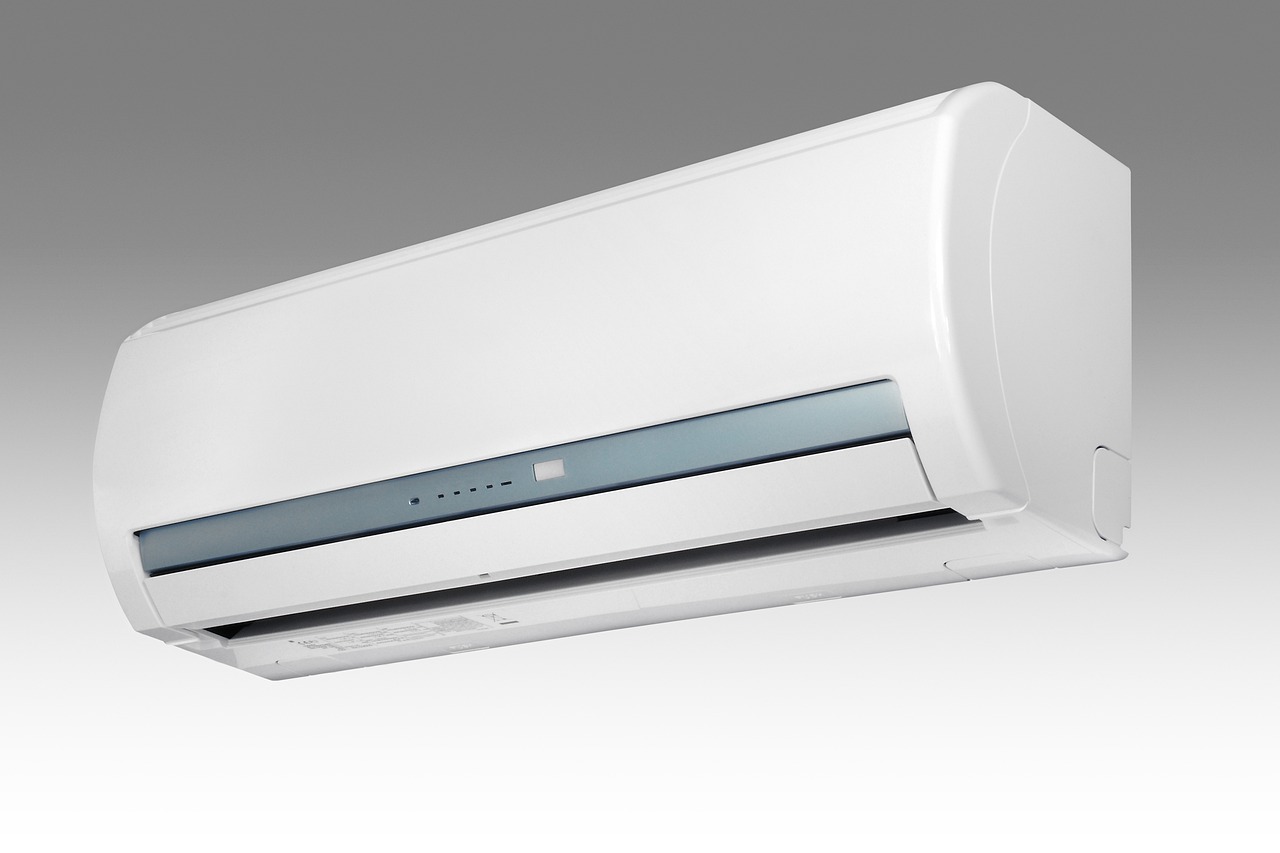
- Mini-Split Systems: These ductless systems can cool multiple rooms or zones and offer customizable temperature control. They’re perfect for homes without ductwork or for adding air conditioning to specific areas.
- Smart Air Conditioners: With advanced technology, smart AC units allow you to control them remotely via smartphone apps and integrate with your smart home systems for convenience.
Key Factors to Consider When Buying an AC
1. Cooling Capacity
The cooling capacity of an air conditioner is measured in British Thermal Units (BTUs). Choosing the right unit with an appropriate BTU rating is crucial for effective cooling. A unit that’s too small will struggle to cool your room, while an oversized unit can cause excessive humidity. Here’s a simple BTU guide:
- 150-250 sq ft: 5,000-6,000 BTUs
- 250-400 sq ft: 6,000-12,000 BTUs
- 400-800 sq ft: 12,000-18,000 BTUs
2. Energy Efficiency
Look for models with high Energy Efficiency Ratios (EER) or Seasonal Energy Efficiency Ratios (SEER). The higher the ratio, the more efficient the unit is at cooling with less energy. Energy-efficient models save you money on your electricity bills over time.
3. Installation Requirements
Installation complexity varies depending on the type of unit. Central air systems often require professional installation and ductwork, while window and portable units are easier to install yourself. If you’re renting or don’t want a permanent installation, consider a portable or window unit.
4. Noise Levels
Noise is an essential factor to consider, especially if the AC will be installed in a bedroom or living area. Look for quieter models or those equipped with noise-reduction technology to maintain a peaceful environment.
5. Additional Features
To enhance the functionality and comfort of your air conditioner, consider units with the following features:
- Programmable Timers: Set your AC to turn on or off at specific times to save energy and maintain comfort.
- Remote Control: Adjust the temperature easily from a distance.
- Dehumidifier Function: Reduce humidity levels to make your space more comfortable.
- Air Purifying Filters: Clean the air and improve the overall air quality in your home.
Recommended Air Conditioners
Based on the factors mentioned, here are some top air conditioners for different needs:
- Best Window Unit: [Blue Star 1 Ton 3 Star Fixed Speed Window AC] – A reliable, energy-efficient unit with quiet operation and excellent cooling performance.
- Best Portable Unit: [HOOMEE 400CM (157″)Universal Window Seal for Portable Air Conditioner] – Perfect for easy mobility, it combines portability with great cooling power.
- Best Mini-Split AC: [Lloyd 1.5 Ton 5 Star Inverter Split AC] – Ideal for homes without ducts or for adding additional zones for personalized cooling.
- Best Mini-Split AC: [Daikin 1.5 Ton 3 Star Inverter Split AC] – Ideal for homes without ducts or for adding additional zones for personalized cooling.
Conclusion
Choosing the right air conditioner doesn’t have to be complicated. By understanding the different types of air conditioning systems, considering factors like cooling capacity, energy efficiency, and installation requirements, you can find the perfect unit for your home. Whether you’re looking for a portable option or a central system for a large house, investing in the right air conditioner will help you stay comfortable during those hot summer months.
By following these tips and recommendations, you’ll be well on your way to selecting the best air conditioner for your home in 2025.
You can also check out our blog, “The AC: Necessity or Luxury?“


Pingback: The AC: A Necessity or a Luxury? – Search Window