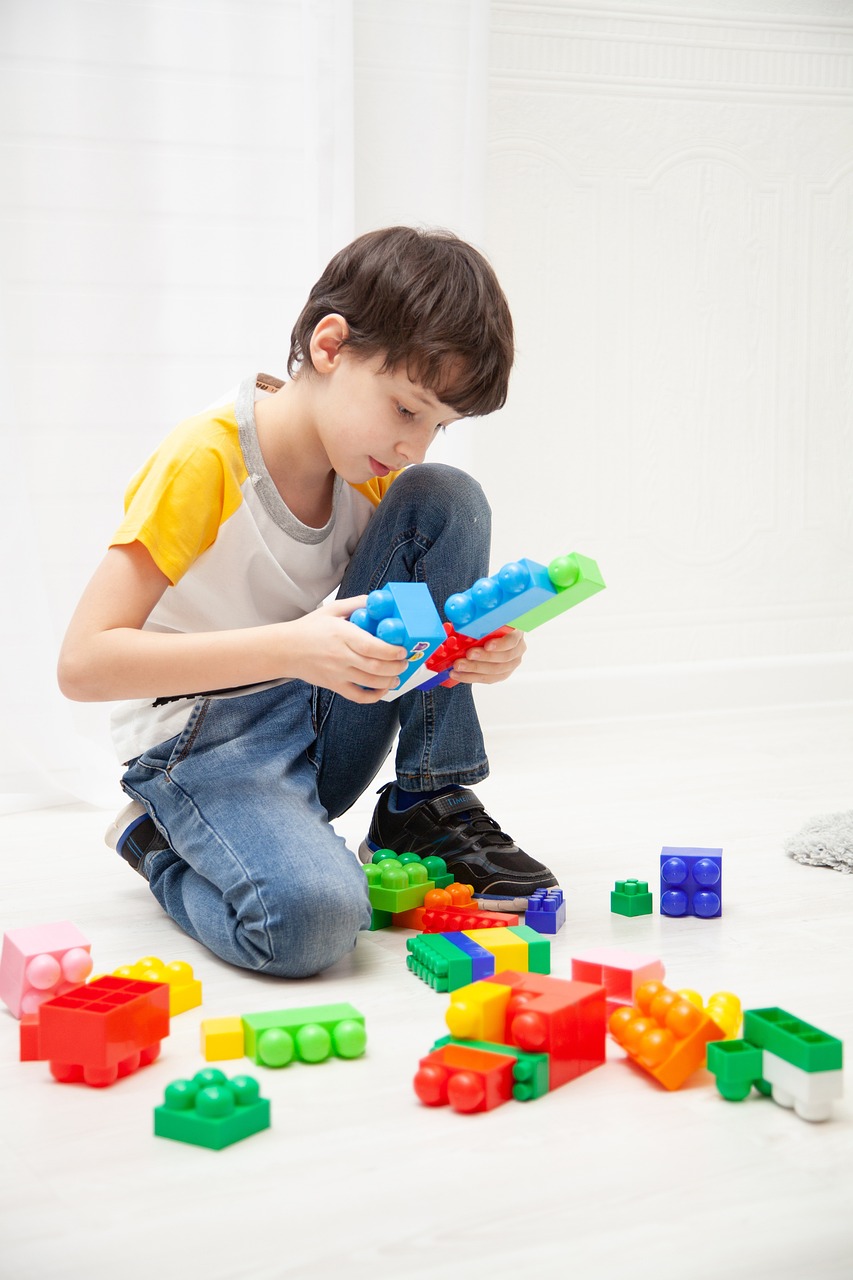
The Importance of Play in Child Development
Play is an essential component of child development, serving as a primary medium through which children explore their surroundings, practice new skills, and develop fundamental cognitive, emotional, and social capabilities. Engaging in various forms of play allows children to construct a deeper understanding of the world around them, fostering creativity and encouraging problem-solving skills. Toys and blocks, in particular, offer unique opportunities for imaginative and constructive play that enhance these developmental processes.
Cognitive development is significantly influenced by play, particularly through activities that engage a child’s curiosity and creativity. When children manipulate toys and blocks, they learn about spatial relationships, balance, and cause-and-effect principles. For instance, building with blocks requires them to think critically about how to create stable structures, which strengthens their reasoning abilities. This constructive play not only enhances mathematical and scientific understanding but also lays a foundation for future learning.
In addition to cognitive growth, play fosters social and emotional development. Interaction with peers during playtime allows children to practice essential communication skills, such as taking turns, sharing ideas, and resolving conflicts. These interactions support the development of empathy and emotional regulation, as children learn to understand their feelings and the feelings of others. Furthermore, engaging in role-playing games with toys can help children express their emotions and understand social norms, which are crucial for their long-term interpersonal relationships.
Ultimately, the various types of play, whether solitary or collaborative, contribute to a well-rounded development in children. The combination of cognitive challenges and social interactions offered by toys and blocks plays an invaluable role in shaping a child’s ability to navigate their environment creatively and effectively, preparing them for future life experiences.
Types of Kids Toys: An Overview
In the realm of children’s play, toys serve not only as sources of entertainment but also as effective tools for learning and creativity. Understanding the various categories of kids’ toys is essential for parents and caregivers seeking to enrich a child’s playtime experience. The following sections categorize toys into three primary groups: educational toys, creative play items, and traditional options.
Educational toys are designed to promote learning while fostering essential skills in young children. These toys often incorporate elements of problem-solving, critical thinking, and motor skills development. Examples include building sets that encourage spatial awareness, puzzles that enhance cognitive abilities, and even interactive electronic toys that teach children about numbers or languages. Incorporating educational toys into playtime not only engages children but also helps them absorb crucial information in an enjoyable manner.
Creative play items focus on stimulating the imagination and encouraging self-expression. Toys such as art supplies, musical instruments, and role-playing costumes fall into this category. They facilitate open-ended play, allowing children to invent stories, create artwork, or develop performances, which fosters creativity and emotional intelligence. Integrating these toys into a child’s routine can result in enhanced creativity and the ability to articulate ideas effectively.
Traditional toys, on the other hand, include timeless classics like dolls, action figures, and wooden blocks. While these toys may lack the technological features of modern counterparts, they provide significant benefits by promoting interactive play among peers and encouraging physical activity. For instance, building blocks allow children to explore engineering concepts while also offering opportunities for cooperative play. By including a blend of traditional toys in their collection, parents can offer a well-rounded play experience that draws on history and tradition.
By recognizing the unique features and potential benefits of these different toy types, caregivers can select a diverse range of options that promote well-rounded developmental experiences for their children.
The Benefits of Building Blocks in Playtime
Building blocks are more than just colorful pieces of plastic or wood; they serve as a fundamental tool in children’s development during playtime. One of the primary advantages of building blocks is their contribution to fine motor skills. As children manipulate blocks, stacking them, fitting them together, and balancing, they enhance their hand-eye coordination and dexterity. These skills are essential for various everyday tasks, such as writing, buttoning shirts, and even playing sports.
In addition to advancing fine motor skills, building blocks significantly aid in developing spatial awareness. Children engage with concepts such as size, shape, and distance as they construct different structures. This interaction enables them to understand how objects occupy space and how various forms interact with one another. These spatial reasoning skills are vital for future learning in subjects like mathematics and science, where understanding dimensions and geometry is crucial.
Critical thinking is another key area where building blocks make a meaningful impact. When children face challenges, such as figuring out how to balance blocks or how to create a specific design, they must employ problem-solving skills. This open-ended play encourages creativity and allows them to experiment with solutions, fostering a mindset geared towards innovation and resilience. Moreover, as they build and rebuild, children develop cognitive skills, enhancing their ability to think abstractly.
Lastly, blocks promote open-ended play, which encourages children to express their creativity without rigid instructions. This type of play is essential as it stimulates imagination and allows children to explore various scenarios through their constructions. By engaging in block play, children are not only having fun but also laying the groundwork for essential life skills that will benefit them long after playtime is over.
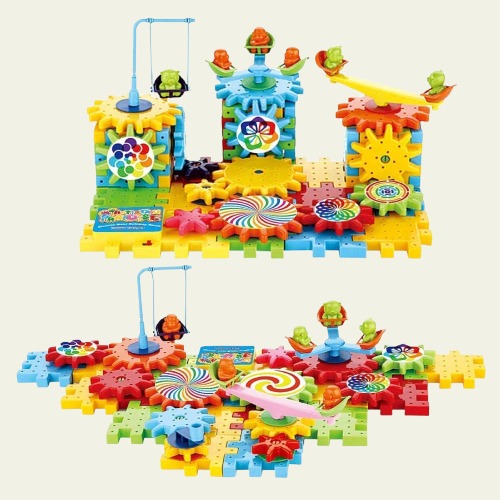
Chocozone Battery Operated 81pcs Rotating Building Blocks: A Perfect Toy for Creative Play and Learning
Introduce your child to endless hours of fun with the Chocozone Battery Operated 81pcs Rotating Building Blocks. This innovative building set is not only fun but also educational, making it the perfect addition to any child’s toy collection. With 81 pieces and rotating features powered by batteries, these blocks encourage creative play, fine motor skills development, and problem-solving in a way that traditional blocks simply cannot match.
Key Features:
- 81 Pieces: A variety of shapes and sizes for diverse building possibilities.
- Battery Operated Rotation: Adds an exciting dynamic to each structure.
- Safe & Non-Toxic Materials: Ideal for children ages 3 and up.
- Great for Fine Motor Skills: Encourages dexterity and coordination.
- Perfect for Boys & Girls: A versatile toy for all children.
Ideal for Gifts:
Looking for the perfect gift for a birthday, holiday, or special occasion? The Chocozone Battery Operated 81pcs Rotating Building Blocks makes a fantastic gift that’s both fun and educational. Whether you’re shopping for a young builder or a child who loves imaginative play, this set will spark their creativity and keep them entertained for hours.
Buy Now and Unleash Creativity!
Get the Chocozone Battery Operated 81pcs Rotating Building Blocks today and watch your child’s imagination come to life! Perfect for fostering creativity and learning, this building block set is sure to become a favorite in any home.
Click [here] to purchase and enjoy fast shipping!
Choosing the Right Toys and Blocks for Different Ages
When selecting toys and blocks for children, it is essential to consider their age and developmental milestones. The right toys not only provide entertainment but also contribute to a child’s growth in various areas such as cognitive, physical, and social development. Therefore, understanding the different stages of childhood can significantly guide parents and caregivers in making informed decisions.
For infants aged 0-12 months, the focus should be on sensory development. Soft blocks made of fabric or foam are ideal, as they are safe and lightweight. Toys that feature bright colors, varied textures, and gentle sounds will stimulate their senses and encourage exploration. These toys can promote hand-eye coordination, a key developmental milestone in this age group.
As children transition into toddlers (12-24 months), they begin to develop motor skills and an interest in basic problem-solving. At this stage, wooden blocks or larger LEGO bricks designed for younger age groups can be introduced. These toys not only enhance fine motor skills but also foster creativity as toddlers learn to stack and build. Safety remains paramount, so ensure that the toys are free from small parts that could pose choking hazards.
For preschoolers aged 3-5 years, toys that encourage imaginative play become crucial. Building sets with interlocking pieces allow children to explore structural concepts and enhance their creativity. Additionally, blocks that feature letters and numbers can introduce educational aspects while maintaining playfulness. These toys support social interactions when children engage in collaborative building activities.
Finally, for elementary-aged children (6 years and older), more complex building systems such as advanced LEGO sets or robotics kits can be appropriate. These toys not only challenge their cognitive skills but also promote critical thinking and problem-solving abilities. Ensuring that the chosen toys align with a child’s interests can significantly enhance their learning experience.
By carefully considering age-appropriate toys and blocks, parents can foster an enriching environment that supports children’s development and creativity at every stage of their growth.
Creative Ideas for Playing with Blocks
Blocks are a timeless, versatile toy that fosters creativity and imagination in children. Engaging in block play can transform simple wooden or plastic pieces into elaborate structures, offering boundless opportunities for creative exploration. Here are several innovative activities and games that parents and caregivers can introduce to encourage productive play with blocks.
One effective activity is the “Block Building Challenge,” where children work in teams to construct a specific structure within a set time limit. This not only promotes teamwork but also enhances their problem-solving skills as they navigate the best way to use their block collection. Setting themes, such as “build a bridge” or “design a skyscraper,” can further stimulate their creativity and encourage discussion about architecture.
Incorporating role-play into block play can significantly enhance imaginative engagement. Setting up a “block cafe” where children create tables, chairs, and even food items from blocks can foster both practical life skills and creativity. Kids can role-play as customers or chefs, practicing social skills while using their imaginations to create intricate scenes.
Another engaging idea involves the use of blocks for storytelling. Children can build settings that reflect tales from their favorite books or their own narratives. This activity allows them to link play with literacy, enhancing both their reading comprehension and creative expression.
For an added challenge, parents can introduce “block art.” By incorporating paints, stickers, or natural materials like leaves and stones, blocks can transform into unique art pieces. This fusion of art and block play encourages children to express themselves creatively and collaboratively.
Through these various activities, blocks become more than just toys; they serve as instruments for developing essential life skills while providing opportunities for imaginative play. It is through creative interactions with blocks that children can explore their world in a playful yet educational manner.
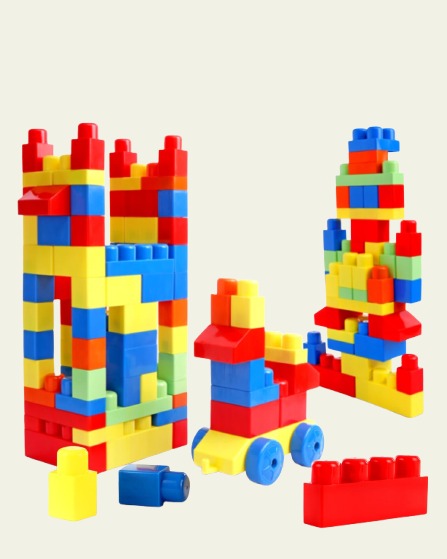
Play Nation Premium 80 Pcs Jumbo Brix Stack & Fix Building Block Set for Baby & Kids: The Ultimate Toy for Creative Play and Development
Bring out your child’s inner builder with the Play Nation Premium 80 Pcs Jumbo Brix Stack & Fix Building Block Set. Designed with young minds in mind, this set features large, colorful pieces that are perfect for little hands to grasp, stack, and build. Whether they’re constructing towering structures or exploring new shapes, this block set will ignite your child’s creativity and improve essential developmental skills.
Why Choose the Play Nation Premium 80 Pcs Jumbo Brix Stack & Fix Building Block Set?
- Perfect for Little Hands: With larger-than-usual pieces, these blocks are specifically designed for toddlers and young children. They’re easy to handle, minimizing frustration and making playtime fun for your little ones.
- Boosts Creativity: The 80 colorful, stackable pieces provide endless opportunities for imaginative play. Your child can create houses, towers, animals, or anything their imagination desires—no limits!
- Supports Cognitive Development: Building with these blocks helps improve problem-solving skills, hand-eye coordination, and spatial awareness. As kids stack and fix the pieces together, they also develop patience and perseverance.
- Safe & Durable Materials: Made from high-quality, non-toxic plastic, the Play Nation Jumbo Brix blocks are designed to be safe for babies and kids, meeting all safety standards. The robust material ensures they’ll withstand the rough-and-tumble play of toddlers.
- Encourages Social Play: This set is perfect for solo or group play, making it great for siblings, friends, or parents to join in the fun. As they work together to build, children learn the value of teamwork, sharing, and collaboration.
- Great for Early Learning: With the colorful blocks, your child can also start learning basic colors, shapes, and patterns. It’s a fun way to introduce these foundational concepts in a hands-on, interactive way.
Key Features:
- 80 Jumbo Pieces: Large, colorful blocks ideal for little hands to stack and build with ease.
- Non-Toxic and Safe: Made from safe materials, meeting all safety standards for young children.
- Durable & High Quality: Built to withstand the wear and tear of everyday play.
- Ideal for Cognitive Development: Encourages problem-solving, creativity, and hand-eye coordination.
- Perfect for Kids Aged 2 and Up: Suitable for toddlers and young children to enhance their playtime.
Ideal for Gifting:
Looking for the perfect gift for your child’s birthday, a holiday, or a special occasion? The Play Nation Premium 80 Pcs Jumbo Brix Stack & Fix Building Block Set is an ideal choice for toddlers and kids. It’s not just a toy – it’s an investment in your child’s growth and development. Watch as they create, learn, and explore!
Order Now and Spark Creativity!
Get the Play Nation Premium 80 Pcs Jumbo Brix Stack & Fix Building Block Set and bring fun, learning, and creativity to your child’s playtime. Whether for solo or group play, this block set will provide hours of engaging entertainment.
Click [here] to buy now and enjoy quick delivery!
Safety Considerations When Choosing Kids Toys
When selecting toys and blocks for children, safety should be the foremost consideration. Ensuring the well-being of children during play requires thorough attention to several critical factors. One of the primary aspects to consider is the materials used in the construction of toys. Opt for toys that are made from non-toxic, BPA-free plastics, natural woods, and other child-safe materials. This not only protects children from harmful chemicals but also contributes to their overall health during playtime.
Another significant concern is choking hazards. Children, particularly those under three years old, are particularly prone to putting objects in their mouths. It is essential to choose toys that do not contain small parts that can be easily detached. Compliance with age recommendations provided by manufacturers serves as a vital guideline. Always check the packaging for age-appropriate labels, which indicate whether a toy is suitable for a child’s developmental stage. It is crucial to select toys that align with a child’s age and skill level to minimize risks and enhance their play experience.
Moreover, when selecting toys, parents and caregivers should look for certification marks from reputable safety organizations, such as ASTM or EN71. These certifications indicate that the toys have undergone rigorous testing and meet established safety standards. Regularly inspecting toys for wear and tear is critical as well; frayed edges, broken parts, or loose pieces can pose hazards during play. If any toy is found to be damaged, it should be repaired or discarded immediately to maintain a safe play environment.
By adhering to these safety considerations—material selection, choking hazards, age recommendations, and certification verification—caregivers can significantly reduce risks associated with children’s toys, ensuring a safe and enjoyable playtime for kids.
The Future of Kids Toys: Trends and Innovations
As the landscape of children’s toys continues to evolve, several emerging trends are poised to significantly shape the future of play. One prominent trend is the increasing emphasis on eco-friendly materials. Parents are becoming more conscious of the environmental impact of toys, leading manufacturers to explore sustainable options. This shift not only reflects a growing awareness of environmental issues but also provides children with toys that connect them to nature. Biodegradable materials, recycled plastics, and organic fabrics are now being utilized to create toys that are both engaging and eco-friendly. Children learn the importance of sustainability through their play experiences, fostering a sense of environmental responsibility from a young age.
Another innovation lies in the integration of technology into traditional toys. Smart toys that incorporate augmented reality (AR) and virtual reality (VR) are redefining interactive play. These technologically enhanced toys offer immersive experiences that stimulate creativity and cognitive development. Devices that respond to a child’s actions can create a more individualized play experience, allowing for critical thinking and problem-solving. The rise of coding toys also introduces children to the fundamentals of programming, thereby aligning play with educational development in an engaging manner.
Interactive play continues to gain traction as well, with toys designed to promote collaboration and social skills. These toys encourage children to interact, communicate, and collaborate with one another, essential skills for their personal and social development. Group-oriented toys that foster teamwork and collective problem-solving can significantly enhance children’s social competencies.
Overall, the future of kids’ toys is heading towards a more thoughtful and innovative direction, focusing on sustainability, technology, and collaboration. These advancements not only improve the play experience but also play a pivotal role in shaping well-rounded, environmentally conscious, and socially adept individuals.